Smooth walls trick people into thinking nothing much happened. No texture to admire. No pattern to study. Just a clean surface that disappears into the room. That’s exactly why they’re hard. When nothing hides the work, everything shows. Light catches it. Shadows exaggerate it. Time exposes it. A smooth wall doesn’t forgive. It remembers.
When a wall looks off, the mistake usually didn’t happen at the end. It happened at the beginning. Poor prep. Rushed drying. Uneven base. Skipped steps because they didn’t feel important at the time. Whether it’s Venetian Plaster in North Arlington, NJ or detailed decorative finishes, plaster doesn’t magically fix what’s underneath it. It copies it. Every shortcut beneath the surface eventually shows through. That’s why quality plaster work starts long before the finish coat is ever applied.
There’s a reason experienced plaster professionals don’t rush. Smooth walls aren’t applied — they’re built. The surface gets checked. It gets corrected. Then another layer follows. Each pass matters. Each pause matters. Timing matters more than strength, especially when working with refined finishes like Marmorino Flooring in North Arlington, NJ, or architectural details such as Moulding Run In Place in North Arlington, NJ. Trying to force plaster into place almost always backfires, while patience delivers a finish that lasts.
Texture can hide mistakes. Smooth walls can’t. A small ridge. A shallow dip. All of it becomes obvious once the room is lived in. Morning light hits differently than evening light. Lamps expose things daylight misses. Movement through a room changes how surfaces look. That’s why smooth walls demand consistency from start to finish.
When cracks appear early or surfaces feel uneven, it’s rarely bad luck. It’s usually a rushed drying. Too much moisture trapped inside. Not enough time between coats. It shows it later. Walls don’t fail randomly. They respond to how they were treated.
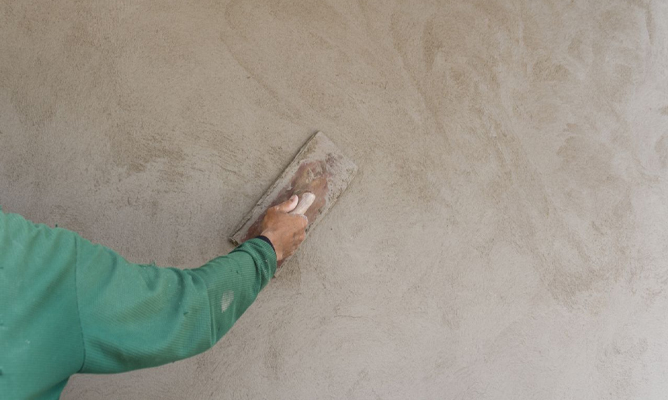
Tools help. Materials matter. But smooth plaster is still handwork at its core. Those small differences separate average work from excellent work. You can give two people the same materials and get completely different results. Experience lives in the hands.
"Perfect" doesn’t mean lifeless. It means controlled. Good, smooth walls still breathe. They allow movement. They settle naturally with the building instead of fighting it. The goal isn’t a frozen surface. It’s a surface that stays calm over time. That balance only comes from understanding the material, not forcing it.
Anyone can make a wall look good once. Repairs tell the real story. A poorly done smooth wall makes repairs obvious forever. A well done one allows small fixes to disappear. Matching a smooth surface is difficult. That’s why initial craftsmanship matters so much. Good work protects itself later.
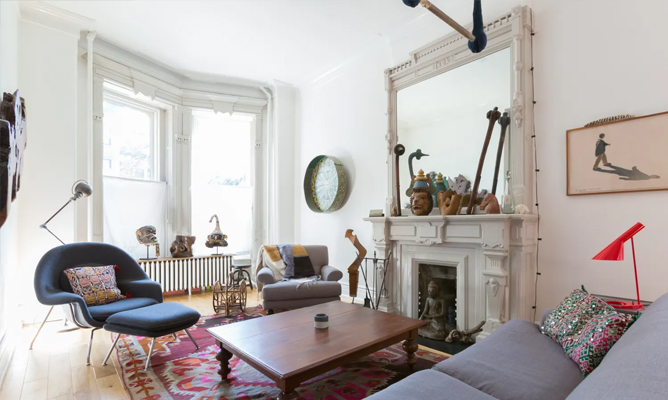
Rooms with smooth walls feel quieter. Light moves differently. Shadows soften instead of breaking. Nothing pulls attention away from furniture, art, or people. The wall supports the space instead of competing with it. That calm isn’t accidental. It’s built into the surface. For more details, get in touch with us.